
Why Is Your Garage Door So Loud?
If your garage door has started grinding, squealing, rattling, or banging every time it opens or closes, you're not alone. Noisy garage doors are one of the most common complaints we hear from homeowners in Grovetown and the surrounding Augusta area. While some sounds are perfectly normal, others can signal that something is wearing out, misaligned, or about to fail.
The good news is that most causes of garage door noise are fixable — and catching them early can save you from a costly emergency repair down the road. Let's walk through the most common reasons your garage door is making a racket and what you can do about each one.
1. Worn or Dry Rollers
Garage door rollers are small wheels that guide your door along the vertical and horizontal tracks. Over time, these rollers wear down, develop flat spots, or simply dry out. When that happens, you'll hear a grinding or squealing noise every time the door moves.
There are two main types of rollers:
- Steel rollers — These are the most common and affordable, but they tend to be the noisiest, especially as they age. They require regular lubrication.
- Nylon rollers — These run much more quietly and don't require as much maintenance. Upgrading to nylon rollers is one of the easiest ways to reduce garage door noise.
If your rollers are cracked, chipped, or wobbling in the track, it's time to have them replaced. A garage door technician can swap them out quickly and get your door gliding smoothly again.
2. Lack of Lubrication
This is probably the single most overlooked cause of a noisy garage door. Your garage door system has multiple moving metal parts — rollers, hinges, springs, and bearing plates — that all need periodic lubrication to operate quietly and efficiently.
We recommend using a silicone-based or lithium-based garage door lubricant on these components every six months. Avoid using WD-40 as your primary lubricant, as it's more of a solvent and cleaner than a long-lasting lubricant. It can actually attract dust and grime over time, making things worse.
A quick lubrication session takes just a few minutes and can make a dramatic difference in how your door sounds. If you're not sure which parts to lubricate or how to do it safely, our team at Grovetown Garage Door Repair can handle it as part of a routine maintenance visit.
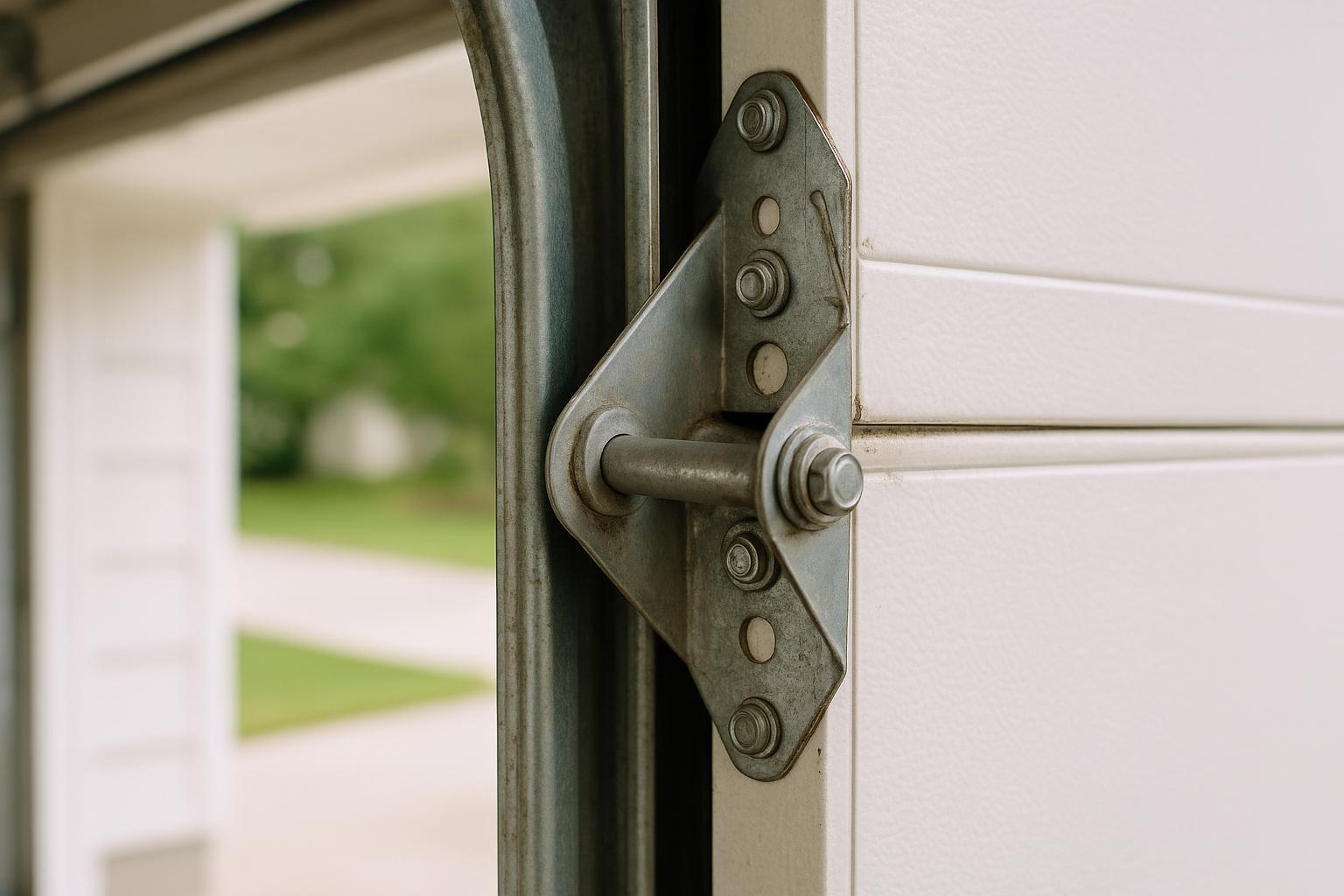
3. Loose Hardware
Your garage door opens and closes hundreds — sometimes thousands — of times per year. All that vibration gradually loosens nuts, bolts, and brackets throughout the system. Loose hardware is a common source of rattling and vibrating noises.
You can carefully inspect and tighten the bolts on your door's hinges, brackets, and track mounts using a socket wrench. Just be cautious not to overtighten anything, as that can strip the holes or warp the hardware. And never attempt to adjust anything connected to the torsion springs — those are under extreme tension and should only be handled by a professional.
4. Worn or Unbalanced Springs
If you're hearing a loud banging or popping sound, your springs may be the culprit. Torsion springs and extension springs bear the full weight of your garage door, and as they age, they can lose tension or develop weak spots. An unbalanced spring system forces your opener to work harder, which creates additional noise and accelerates wear on other components.
A popping or snapping sound can also indicate a spring that's close to breaking. If you suspect your springs are the issue, don't try to adjust or replace them yourself. Spring repair is one of the most dangerous DIY garage door tasks, and it's always best left to trained technicians.
5. Misaligned or Damaged Tracks
Your garage door tracks need to be properly aligned and free of dents or debris for the door to travel smoothly. If a track is bent, has a kink, or has shifted out of alignment, the door will scrape, grind, or make a rubbing noise as it moves.
Visually inspect your tracks for any obvious bends, gaps between the track and the rollers, or accumulated dirt and debris. Minor debris can be cleaned out with a damp cloth, but bent or misaligned tracks typically need professional attention to correct without causing further damage to the door.
6. Vibrating Opener
Sometimes the noise isn't coming from the door itself — it's coming from the garage door opener. Chain-drive openers, while durable and affordable, are the loudest type of opener on the market. The metal chain vibrates against the rail as it operates, creating a distinctive rattling sound that can echo through your garage and into your home.
If opener noise is your main concern, consider these options:
- Install anti-vibration pads — Rubber pads placed between the opener and the ceiling can absorb vibration and reduce noise transfer.
- Upgrade to a belt-drive opener — Belt-drive openers use a reinforced rubber belt instead of a chain, making them significantly quieter. This is an especially popular upgrade for homeowners in Grovetown whose garage is attached to their living space.
7. Old or Worn Hinges
The hinges that connect each panel of your garage door can wear out over time. When the hole around the hinge pin becomes elongated or the hinge itself develops a crack, you'll hear a squeaking or grinding noise at that specific section of the door.
Worn hinges are relatively inexpensive to replace and can make a noticeable difference in how your door sounds and operates. During a maintenance visit, a technician will check all of your hinges and flag any that need attention.
When Should You Call a Professional?
Some garage door noises can be addressed with basic maintenance like lubrication and tightening hardware. But if you're hearing loud banging, persistent grinding, or any sudden new sounds, it's worth having a professional take a look. These noises often point to issues that will only get worse — and more expensive — if ignored.
Here are some signs it's time to call for help:
- The noise started suddenly and is getting louder
- Your door is visibly shaking or vibrating excessively
- You notice the door moving unevenly or jerking
- There are visible signs of wear on springs, cables, or rollers
- The door feels heavier than usual when operated manually
Keep Your Garage Door Quiet and Running Smoothly
A noisy garage door doesn't have to be something you just live with. In most cases, the fix is straightforward — whether it's a fresh coat of lubricant, a set of new rollers, or a hardware adjustment. Regular maintenance is the best way to prevent noise problems before they start and extend the life of your entire garage door system.
If your garage door has been keeping you (or your neighbors) up at night, Grovetown Garage Door Repair is here to help. We serve homeowners throughout Grovetown, Augusta, Evans, Martinez, Harlem, and Appling with fast, reliable garage door service. Give us a call to schedule a maintenance tune-up or diagnostic visit, and we'll get your door running quietly again.